Formal vs. Informal Utility Patent Drawings
Utility patent drawings fall into two categories: formal and informal. The USPTO allows inventors to file an application with informal drawings, but formal drawings must be submitted before examination begins. Understanding the difference is essential for ensuring smooth prosecution and avoiding delays.
This chapter explains the requirements, consequences, and best practices for formal and informal drawings, along with examples and guidance for practitioners.
What Are Informal Drawings?
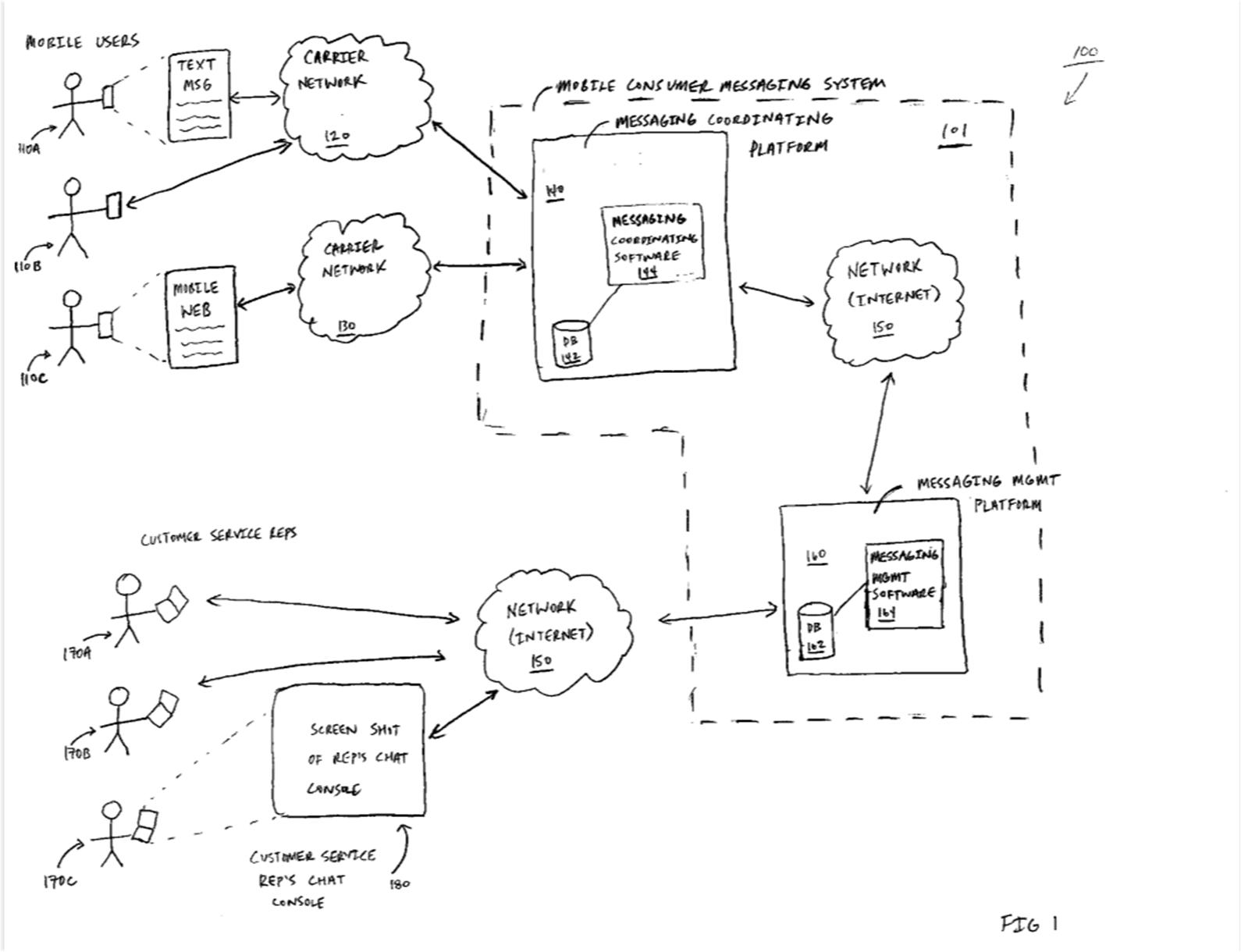
Figure 3.1 — An example of an informal freehand sketch used only to secure a filing date.
Informal drawings are figures that do not meet USPTO formal drawing standards. These may include:
- freehand sketches
- rough line drawings
- scanned notebook drawings
- unrefined screenshots or diagrams
- figures with non-standard fonts, line weights, or margins
Why Informal Drawings Are Allowed
The USPTO allows informal drawings for the purpose of:
- securing a filing date
- ensuring inventors are not blocked from filing due to lack of finished artwork
- allowing rapid submission during time-sensitive situations (e.g., public disclosures, conferences, emergencies)
An application will be given a filing date even if the drawings are informal.
However:
⚠️ The USPTO will not examine the application until formal drawings are provided.
⚠️ Failure to correct drawings after receiving an Office Action will result in abandonment.
Requirements for Informal Drawings
Even though informal drawings are allowed, the USPTO still requires that they:
- clearly show the invention
- display all essential elements
- are readable and reproducible
- match the description in the specification
This means:
- no missing parts
- no illegible text
- no ambiguous shapes
- no figures that contradict one another
Informal does not mean sloppy—only that the drawings do not yet meet full formatting requirements.
What Are Formal Drawings?

Figure 3.3 — A formal utility patent figure with proper shapes, line weights, and reference numerals.
Formal drawings are fully compliant with USPTO and PCT standards, including:
- correct margins
- correct figure numbering
- clear line weights
- professional reference numerals
- consistent symbols and formatting
- white background, black lines
- proper orientation and sheet layout
Formal drawings must follow strict specification rules, such as those in:
- USPTO 37 C.F.R. §1.84
- PCT Rule 11
- MPEP § 608.02
These rules ensure that drawings remain clear when printed, scanned, or archived.
When Formal Drawings Must Be Submitted
Formal drawings must be submitted:
- with the application (recommended), or
- in response to a USPTO notice requesting corrected drawings, or
- by the deadline specified in pre-examination notices
Submitting formal drawings early prevents:
- prosecution delays
- drawing objections
- unnecessary Office Actions
- abandonment due to missed corrections
For professional practitioners, best practice is to file with formal drawings from day one.
Why Formal Drawings Matter
Formal drawings help:
- clarify complex structures
- support accurate claim interpretation
- reduce Examiner confusion
- prevent §112 rejections based on indefiniteness
- ensure reliable reproduction when stored digitally
Most Examiners rely heavily on drawings when reading a specification.
Clear drawings → fewer objections.
Examples of Informal vs. Formal Drawings
Informal
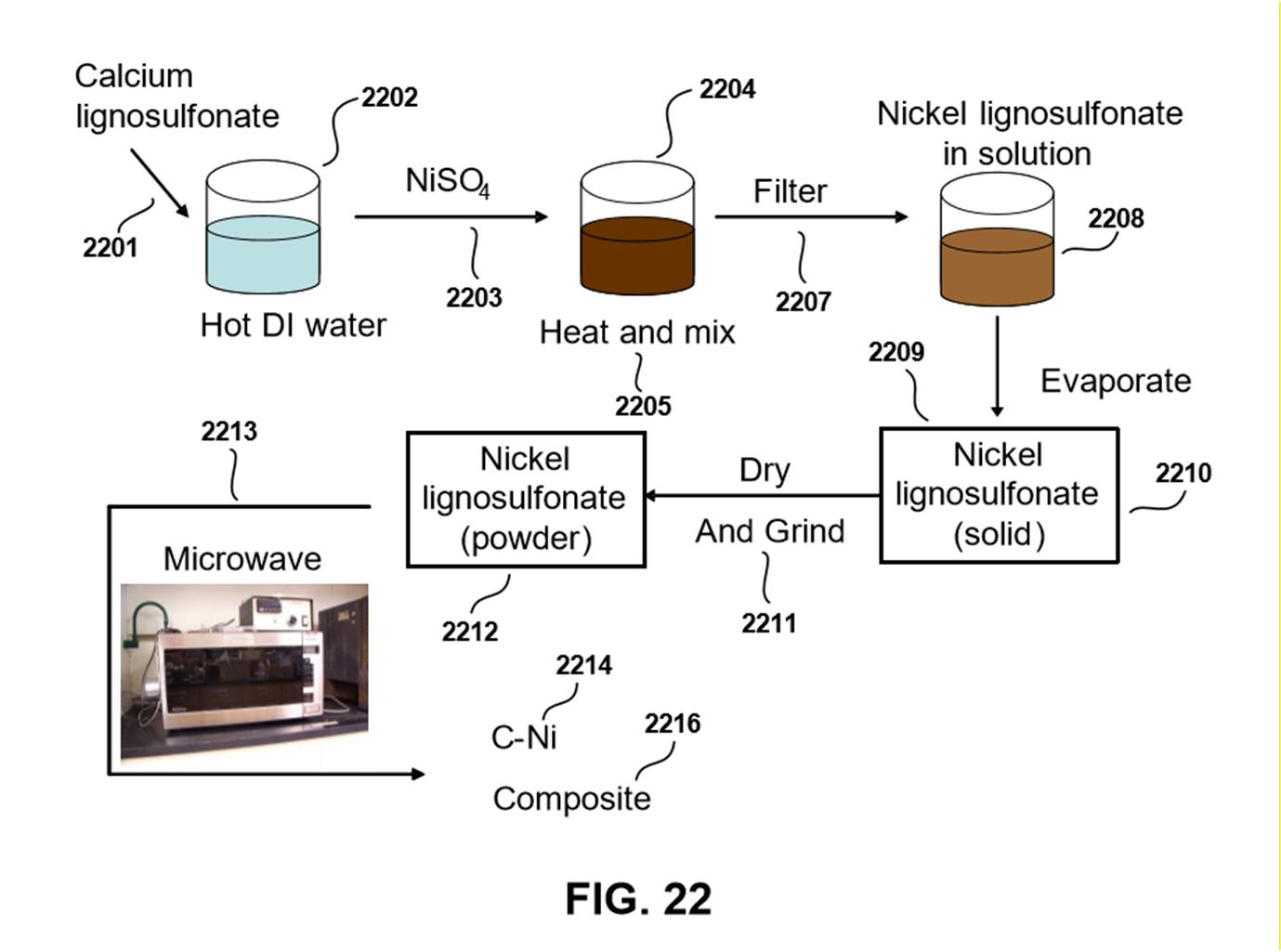
Figure 3.6 — Informal color sketch (non-compliant with USPTO line-drawing standards): acceptable for filing, but not acceptable for examination.
Common informal issues include:
- uneven or wobbly lines
- inconsistent line thickness
- unclear component boundaries
- missing numerals
- poor contrast or low resolution
Formal
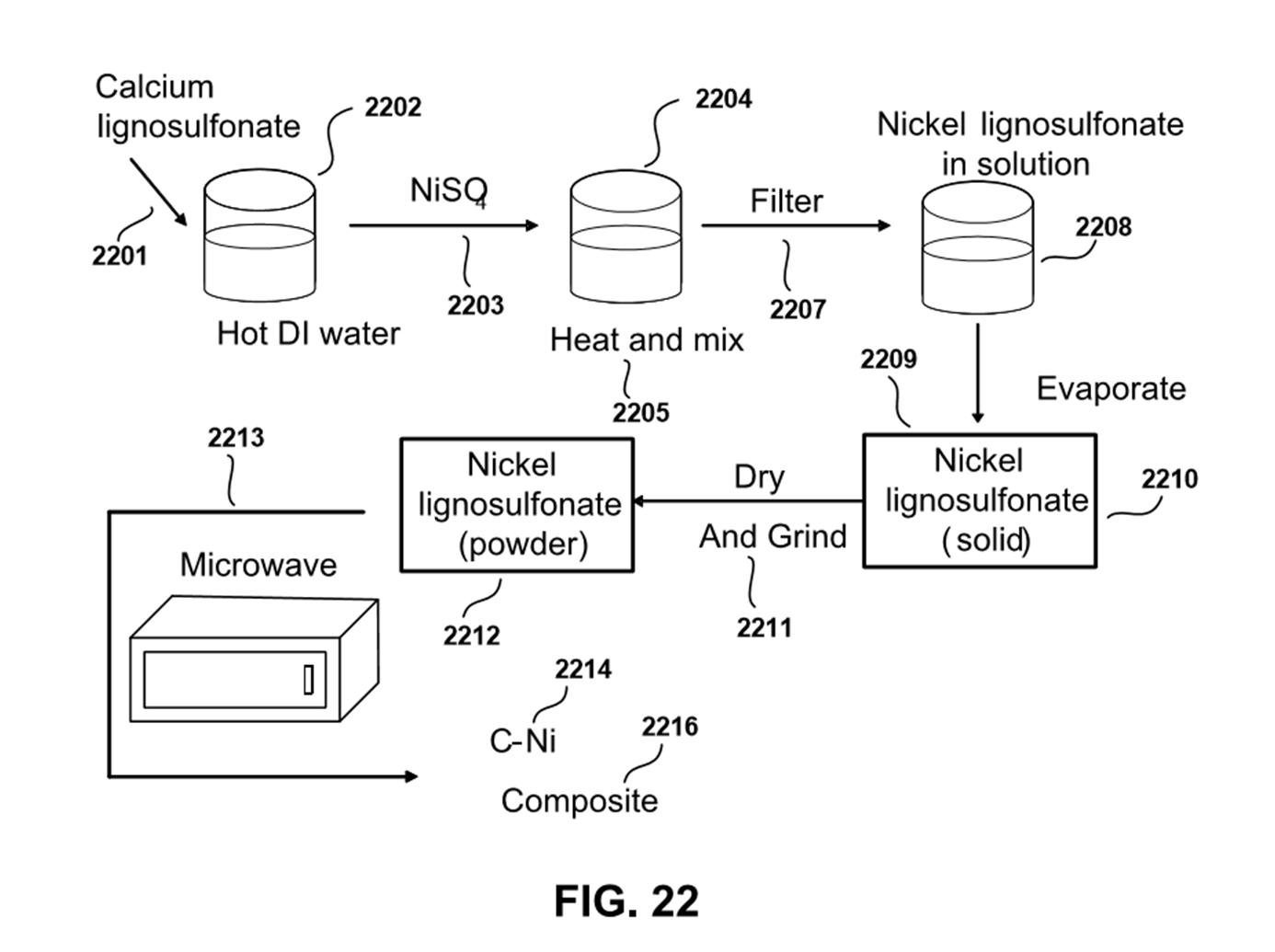
Figure 3.7 — Corresponding formal figure: corrected line work, clean annotation, and compliant formatting.
Formal requirements ensure:
- precision
- clarity
- reproducibility
- compliance
- consistent element presentation across figures
Best Practices for Practitioners
✔ Always file with formal drawings when possible
Prevents delays and avoids drawing objections.
✔ Use standardized Visio templates and stencils
Ensures consistency across figures and reduces errors.
✔ Replace hand sketches with proper line art immediately
Sketches should be temporary placeholders only.
✔ Keep geometry consistent across figures
Avoid mismatches in angle, scale, or perspective.
✔ Maintain clean, high-resolution exports
Helps during PDF generation and USPTO submission.
Summary
Informal drawings are acceptable for establishing a filing date, but formal drawings are required for examination. Practitioners should always aim to submit formal, compliant drawings with the initial filing to avoid unnecessary delays or USPTO objections. By understanding the difference and following structured workflows, applicants can ensure their figures meet the highest professional standards.