Textures in Design Patent Drawings: Elevate Claims, Avoid Ambiguity
- IP DaVinci
- Design patents
- June 6, 2025
Table of Contents
⚖️ Want Stronger Design Claims with Less Room for Rejection?
STIPPLES by IP DaVinci goes beyond basic line art:
- 🪵 Material texture clarity: wood, plastic, leather, metal
- 💡 Textures rendered with litigation in mind — not just aesthetics
- ✍️ Stippling optimized for USPTO requirements
- 🛡️ Better support for claims referencing “surface ornamentation”
🎯 Why Texture Matters for Design Patent Attorneys
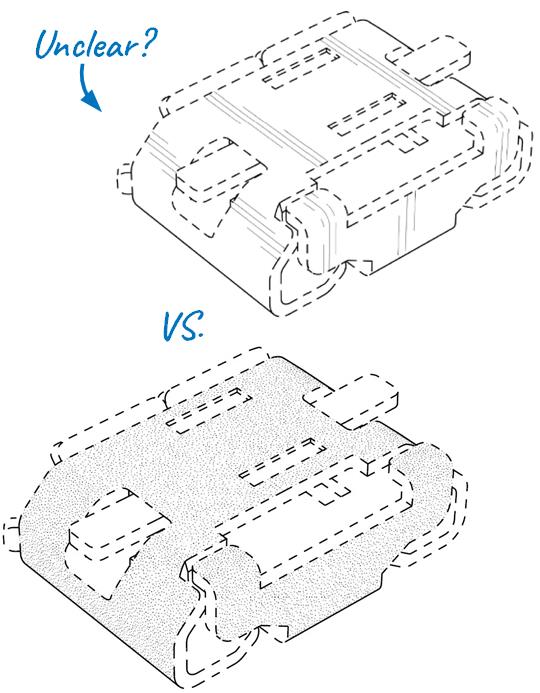
In design patent law, the drawing is the claim. And when surface treatment defines part—or all—of the ornamental value, missing or vague textures create exposure. §112 rejections, litigation vulnerabilities, or challenges to enforceability often stem from unclear or inconsistent visuals.
That’s where textural fidelity becomes critical.
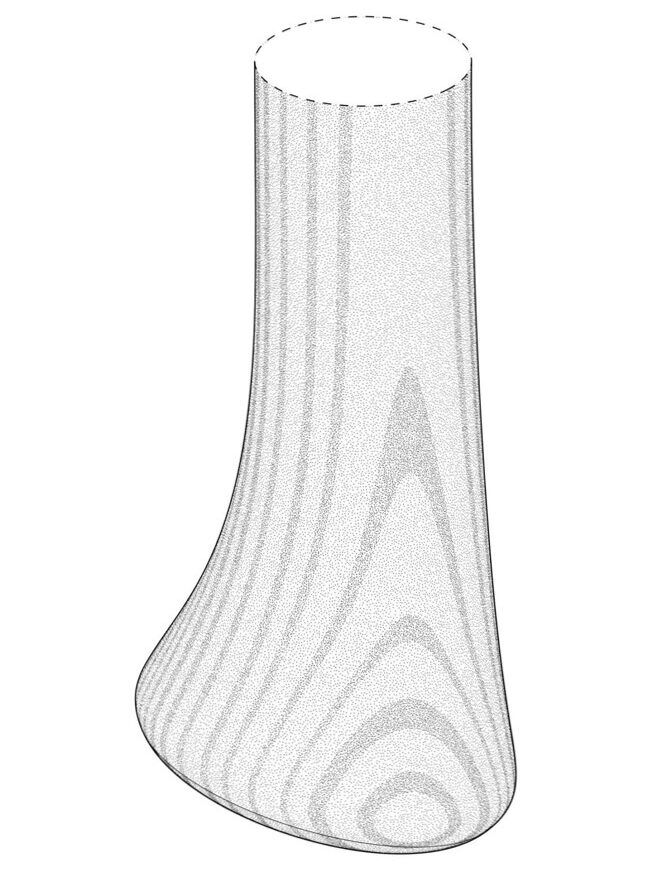
While many drawings gloss over surface details, STIPPLES explicitly renders grain, stitching, perforations, and surface contrast — all within MPEP-compliant stipple techniques. The result? A visual claim with sharper boundaries and clearer ornamental differentiation.
🧠 Legal Use Cases for Texture in Design Claims
Attorneys often overlook texture—but it can:
- Define novelty in “look-alike” crowded markets
- Differentiate variants that share overall shape
- Support disclaimers when only surface design is claimed
- Anchor enforceability when infringement is about finish, not form
In short: texture can be the basis of the claim, or the evidence that makes the claim stick.
🛠️ How STIPPLES Handles Texture: From Photo to Drawing
Unlike tools that only trace outlines, STIPPLES:
- Extracts textural features from photographs or 3D renders
- Applies USPTO-approved stipple shading conventions
- Automatically adjusts dot density and pattern to convey wood grain, metallic sheen, or fabric weave
- Outputs consistent, ready-to-file design drawing views — including textures
🔍 For Attorneys: When to Use Texture in Design Filings
Consider including texture when:
- Your client’s innovation is partly or solely surface-based
- The shape is common, but the surface is distinctive
- You’re filing multiple variants based on material finishes
- You want to proactively prevent §112 written description rejections
Don’t wait for an examiner to question the scope. Clarify it upfront—with visuals that hold up under scrutiny.
📎 Texture + Disclaimers = Clean Claims
STIPPLES works seamlessly with partial design strategies:
- Show full shape, disclaim structure, and highlight surface
- Use broken lines and stippling in combination to control scope
- Anchor claim boundaries to visual contrast, not guesswork
📄 Summary: Give Your Design Clients More Protection
Design filings are getting tougher. USPTO scrutiny is rising.
Surface detail is no longer optional—it’s strategic.
With STIPPLES, you don’t just meet formality requirements—you:
✅ Expand claim coverage
✅ Reduce ambiguity
✅ Avoid unnecessary office actions
✅ Build filings that win in litigation and licensing
🛠️ Ready to Enhance Design Claims with STIPPLES?
STIPPLES by IP DaVinci brings drawing precision to surface detail:
- 🎯 Stippling optimized for patent defensibility
- 🖼️ Texture-rich deliverables from photos or CAD
- ⏱️ Same-day turnaround available
🚀 Empower Your Design Filings with Texture Clarity
Show what matters. Protect what’s unique. Avoid rejections.