Patent-Figure Capability for Corporate IP & R&D

Turn technical knowledge into clearer patent figures.

Give inventors, engineers, corporate IP professionals, and patent support teams a practical way to develop, review, revise, and communicate patent figures before and during work with outside counsel.

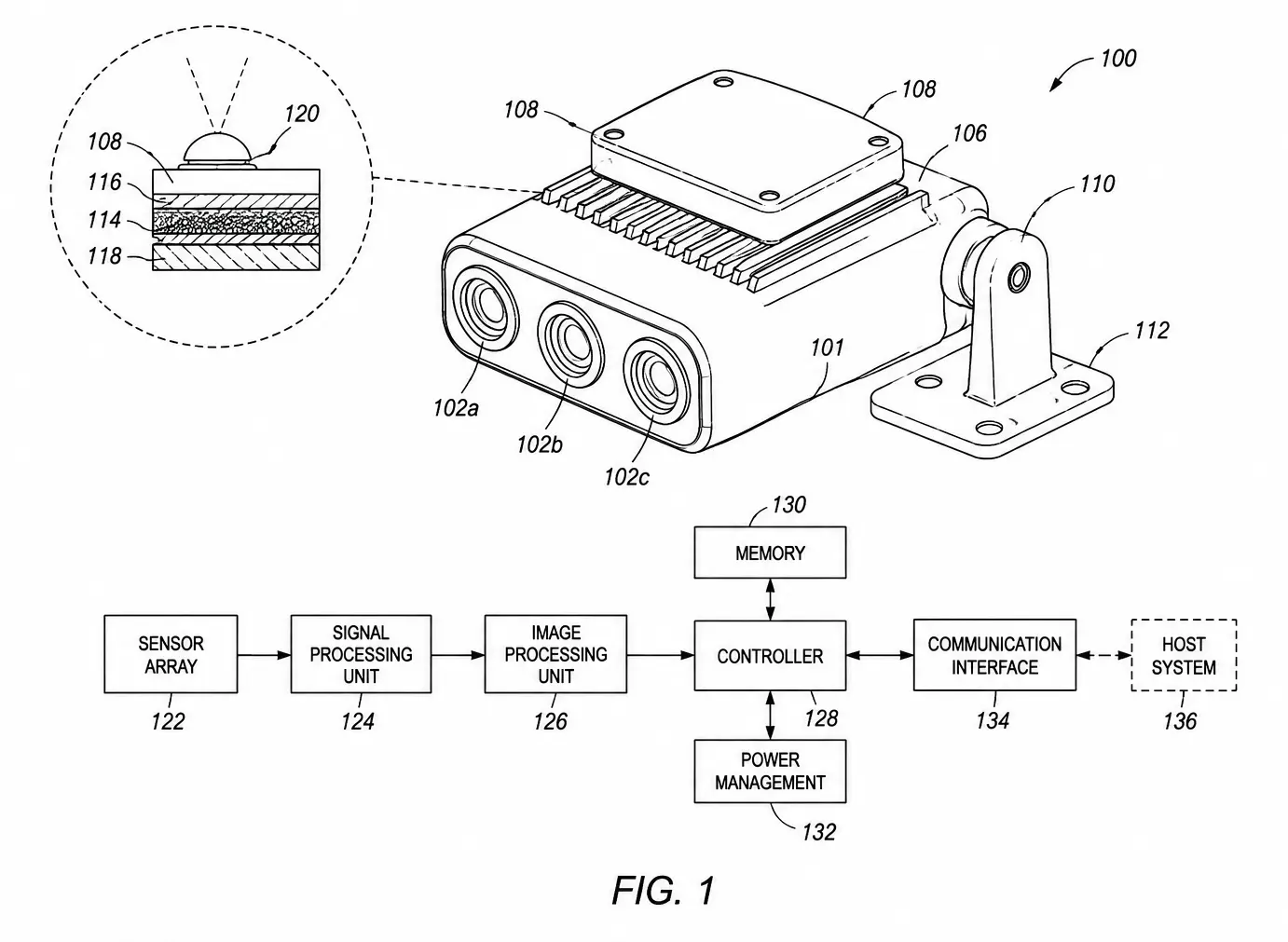
Patent figure example showing an engineering system with numbered reference elements

The Collaboration Gap

The invention is inside the company. The patent workflow often is not.

Inventors and engineers understand the technology. Corporate IP teams understand patent strategy and prosecution. Outside counsel and professional drafters know patent preparation and drawing production.

But the figures connecting those groups often move through screenshots, marked-up PDFs, PowerPoint sketches, CAD exports, photographs, email instructions, and repeated revisions.

01

Inventors & Engineers

Know what the invention needs to show.

They understand components, relationships, alternatives, process steps, geometry, interfaces, and what is technically important—but may not know how to turn that knowledge into clean, editable patent figures.

02

Corporate IP Team

Knows what the patent needs.

In-house counsel, patent agents, IP managers, and support professionals must connect the invention disclosure to a filing strategy, coordinate outside counsel, and keep inventors engaged when figures change.

03

Outside Counsel & Drafting

Turn instructions into prosecution-ready work.

They remain essential for legal drafting, specialized figure production, formal requirements, and complex matters—but they often depend on source material and revision instructions coming from the company.

Where Friction Appears

Every translation step can create another revision cycle.

“This screenshot is only an example—the actual relationship is different.”

“Can we add the alternate embodiment the inventor just described?”

“The CAD view contains too much detail for the patent figure.”

“That arrow should show data flow, not physical movement.”

“We need a cleaner version before sending this back to counsel.”

The Opportunity

Give the company a working figure layer between technical knowledge and patent production.

IP DaVinci helps internal teams communicate visually in editable form so ideas can be clarified earlier and transferred more cleanly to the professionals responsible for the final patent work.

Where Capability Helps

Use figures as part of the invention and patent collaboration process.

Corporate figure capability is not primarily about replacing outside counsel or professional drafting. It is about making the company's technical knowledge easier to capture, develop, review, and communicate.

01

Invention Disclosure

Clarify what should be shown.

Turn sketches, screenshots, photographs, CAD views, whiteboard drawings, and technical explanations into clearer visual source material.

02

Patent Preparation

Develop editable figure concepts.

Create or refine block diagrams, flowcharts, system views, process figures, and other appropriate figure concepts before or during work with counsel.

03

Inventor Review

Make technical corrections easier to communicate.

Let inventors and IP professionals point to, revise, or demonstrate what needs to change instead of relying only on written instructions.

04

Prosecution

Respond to figure changes without starting from zero.

Work from editable assets when embodiments, relationships, labels, reference numbers, or explanatory views need to change.

05

Knowledge Reuse

Keep useful figure assets inside the company.

Retain editable technical diagrams, reusable components, templates, and working methods that can support future disclosures and related matters.

Important Boundary

Corporate capability does not mean corporate teams should prepare every final patent drawing.

It means the company can contribute better source material, handle appropriate internal figure work, communicate revisions more precisely, and decide what should move to outside counsel or professional drafting.

The IP DaVinci Patent Figure System™

A practical system for working with patent figures inside technical organizations.

IP DaVinci combines drawing skills, reusable tools, patent-figure workflows, and productivity methods so corporate teams can work with figures consistently without turning engineers or IP professionals into professional illustrators.

01

Essential Visio Skills

Work confidently with editable technical figures.

Learn the practical Visio skills needed for diagrams, revisions, annotations, tracing, alignment, connectors, layers, and other recurring patent-figure tasks.

02

Toolkits

Start from reusable working resources.

Use templates, stencils, components, and editable resources instead of rebuilding common figure elements for every invention.

03

Workflows

Turn source material into useful patent-figure work.

Apply repeatable methods to screenshots, sketches, photographs, CAD exports, block diagrams, flowcharts, revisions, and related figure tasks.

04

Productivity Methods

Make recurring work faster and more consistent.

Standardize useful practices so internal teams can spend less time rediscovering how to perform the same kinds of figure work.

What the Organization Receives

Capability supported by tools, learning, and live development.

01Structured Learning

On-demand instruction for different roles and levels of use.

02Patent Figure Toolkit™

Editable resources for recurring figure work.

03Patent Figure Bootstrap™

Live practical training to establish a working foundation.

04Ongoing Development

Continued learning as teams encounter new figure needs.

05IP DaVinci Studio

Specialized drawing support when work exceeds the internal boundary.

The Result

A shared visual working capability across IP and R&D.

Not isolated software users. A repeatable way for technical and patent teams to work with editable figures together.

Across the Organization

Different teams contribute at different depths.

A corporate patent workflow crosses legal, technical, and operational roles. IP DaVinci does not require every participant to learn the same skills or perform the same work.

01

Corporate IP Professionals

Patent workflow capability.

  • Review and revise editable figures
  • Clarify figure requirements with inventors
  • Prepare cleaner instructions for outside counsel
  • Handle straightforward internal changes when appropriate
02

Engineers & Inventors

Technical communication capability.

  • Explain systems and processes visually
  • Develop cleaner source diagrams
  • Mark or demonstrate technical changes
  • Participate more effectively in figure review
03

IP Operations & Support

Operational figure capability.

  • Coordinate editable assets
  • Perform recurring figure updates
  • Maintain templates and resources
  • Support consistency across matters
04

IP & R&D Leadership

Organizational capability.

  • Reduce avoidable workflow friction
  • Improve collaboration across teams
  • Preserve reusable internal know-how
  • Set the boundary between internal and external work
Implementation Principle

The goal isn't identical training. It's the right capability at each handoff.

Work Allocation

Keep the right work inside. Send the right work outside.

Corporate capability should improve judgment about where work belongs—not create a mandate to internalize everything.

01

Handle Internally

Technical and routine figure work.

  • Inventor sketches and concept diagrams
  • Block diagrams and flowcharts
  • Simple revisions and annotations
  • Tracing source material for communication
  • Preparing cleaner editable source figures
02

Decide Case by Case

Work that depends on matter, team, and capability.

  • More detailed embodiments
  • Extensive figure sets
  • Prosecution-driven revisions
  • Figures requiring closer legal/drafting judgment
  • Work under unusual time pressure
03

Escalate

Specialized patent drawing work.

  • Complex mechanical or technical illustrations
  • Formal drawing production requiring specialist judgment
  • High-volume or deadline-sensitive production
  • Work better handled by outside counsel or drafting professionals
The Outcome

The company gains control over the handoff.

Internal teams can do more before external production begins—and external professionals receive clearer material when the work is handed off.

Outside Counsel Collaboration

Improve the material moving between the company and outside counsel.

The corporate opportunity is not to bypass outside counsel. It is to make the company a stronger participant in the figure-development process.

Traditional Handoff
Inventor

Explains concept

Internal IP

Translates request

Outside Counsel

Interprets request

Drafting

Produces figure

Capability-Enabled Handoff
Inventor + IP

Develop clearer editable source material

Outside Counsel

Works from better-defined visual intent

Drafting

Focuses on professional production where needed

Why It Matters

Better source material can improve the entire downstream conversation.

01Technical intent is easier to preserve
02Inventor feedback becomes more visual and precise
03Outside counsel receives cleaner working material
04Routine changes do not always require a full external loop
Clear Boundary

Legal strategy and prosecution remain with the professionals responsible for them.

IP DaVinci strengthens visual collaboration; it does not redefine the legal relationship between the company and its counsel.

Implementation

Start with one real corporate patent workflow.

A corporation does not need to train every engineer or redesign its global patent process. Start where figure friction is already visible and build from actual work.

01

Assess

Map the current workflow.

Identify how inventors, IP staff, outside counsel, and drafting resources currently exchange figure information.

02

Configure

Choose the right users and use cases.

Select a business unit, technology area, IP team, or recurring figure workflow where capability can be tested meaningfully.

03

Launch

Establish a practical foundation.

Use the System, Toolkit, and live training to give the selected participants enough capability to work on real figure tasks.

04

Build

Create reusable internal practices.

Capture templates, working methods, editable resources, and role-specific practices that fit the company's patent process.

05

Expand

Extend only where the value is clear.

Add teams, technology groups, new employees, or outside-counsel collaboration after the initial workflow proves useful.

Good Pilot Boundaries

Choose a boundary the company already understands.

01One IP team
02One R&D group
03One technology area
04One recurring figure workflow
Implementation Principle

Build useful capability first. Standardize and expand only after it works in the company's environment.

The Business Case

Improve the flow of technical knowledge into the patent process.

The value is broader than drawing cost. Figure capability can reduce translation friction, preserve technical intent, improve collaboration, and leave reusable know-how inside the company.

01

Fewer Translation Loops

Communicate visually earlier.

Give inventors and IP teams a clearer way to express what figures should show before instructions travel through multiple external handoffs.

02

Better Inventor Collaboration

Keep technical experts closer to the figures.

Make it easier for inventors to review and clarify visual details without requiring them to learn professional patent drafting.

03

Reusable Corporate Capability

Retain more than the finished drawing.

Editable assets, templates, skills, and working methods can remain available for future disclosures, related inventions, and new team members.

04

More Deliberate External Spend

Use specialists where they add the most value.

Keep professional drafting and outside counsel focused on work that benefits from their expertise rather than every routine visual adjustment.

Transaction Model

Complete the immediate figure task.

Primary AssetThe completed drawing
Next MatterBegin another external cycle
Internal LearningLimited
Capability Model

Complete the task and strengthen the organization.

Primary AssetThe figure + reusable capability
Next MatterReuse skills, tools, and editable resources
Internal LearningCompounds over time
The Strategic Difference

The company becomes a more capable participant in its own patent-figure workflow.

Ways to Start

Start with the level of commitment that fits your IP organization.

You do not need a company-wide rollout to evaluate IP DaVinci.

Begin with an executive workflow discussion, test one real use case, or implement capability for an existing IP/R&D team.

01Explore

Executive Patent Figure Briefing™

Map the corporate workflow.

A focused discussion with IP, R&D, innovation, or patent-operations leadership about how figure information currently moves from inventors to counsel.

Good Starting Point For
  • Understanding the capability model
  • Reviewing current handoffs
  • Identifying high-friction figure tasks
  • Defining a useful pilot
03Implement

Organizational Patent Figure System™

Build capability across IP and R&D.

Establish a repeatable figure capability with structured learning, working resources, live development, and role-appropriate access across selected teams.

Good Starting Point For
  • Established corporate patent teams
  • Multiple R&D groups
  • Standardized invention workflows
  • Ongoing inventor and employee onboarding
A Practical Path
ExploreUnderstand the handoffs
PilotTest a real workflow
ImplementBuild reusable capability

No Prescribed Starting Point

Start where the organizational need is already visible.

A company can begin with a briefing, a pilot, or an existing team that is already ready for implementation.

The objective is to improve a real patent-figure workflow—not to force a standard rollout sequence.

Not Sure Where to Start?

Show us how an invention becomes patent figures today.

We can look at the handoffs among inventors, internal IP, outside counsel, and drafting resources and identify where practical figure capability may help.

IP DaVinci for Corporations

Connect technical knowledge more directly to the patent process.

Give inventors, engineers, and corporate IP teams a practical way to work with patent figures—and give outside counsel cleaner visual information when specialized legal and drafting work begins.

Start Focused
One IP team. One R&D group. One recurring figure workflow.

You do not need to change the entire corporate patent process to begin building useful capability.

Technical KnowledgeKeep inventors and engineers close to what the figures need to show.
Internal IP CapabilityDevelop, review, and communicate figure work more effectively.
Outside ExpertiseUse counsel and professional drafting where their expertise adds value.