Faculty, Researchers & Students
Know the research and technical meaning.
They know what was built, discovered, tested, measured, or proposed—but patent figures are rarely their primary discipline.
Patent-Figure Capability for Universities & Technology Transfer
Give technology-transfer teams, faculty inventors, researchers, students, and patent support professionals access to Training, the Patent Figure Toolkit™, and Support to develop, review, revise, and communicate patent figures as university inventions move toward protection and commercialization.
Across the university innovation process
The Research-to-Patent Gap
University inventions begin with researchers who understand the science, engineering, data, apparatus, process, or system in depth. Technology-transfer professionals must capture that knowledge and move it efficiently toward patent counsel.
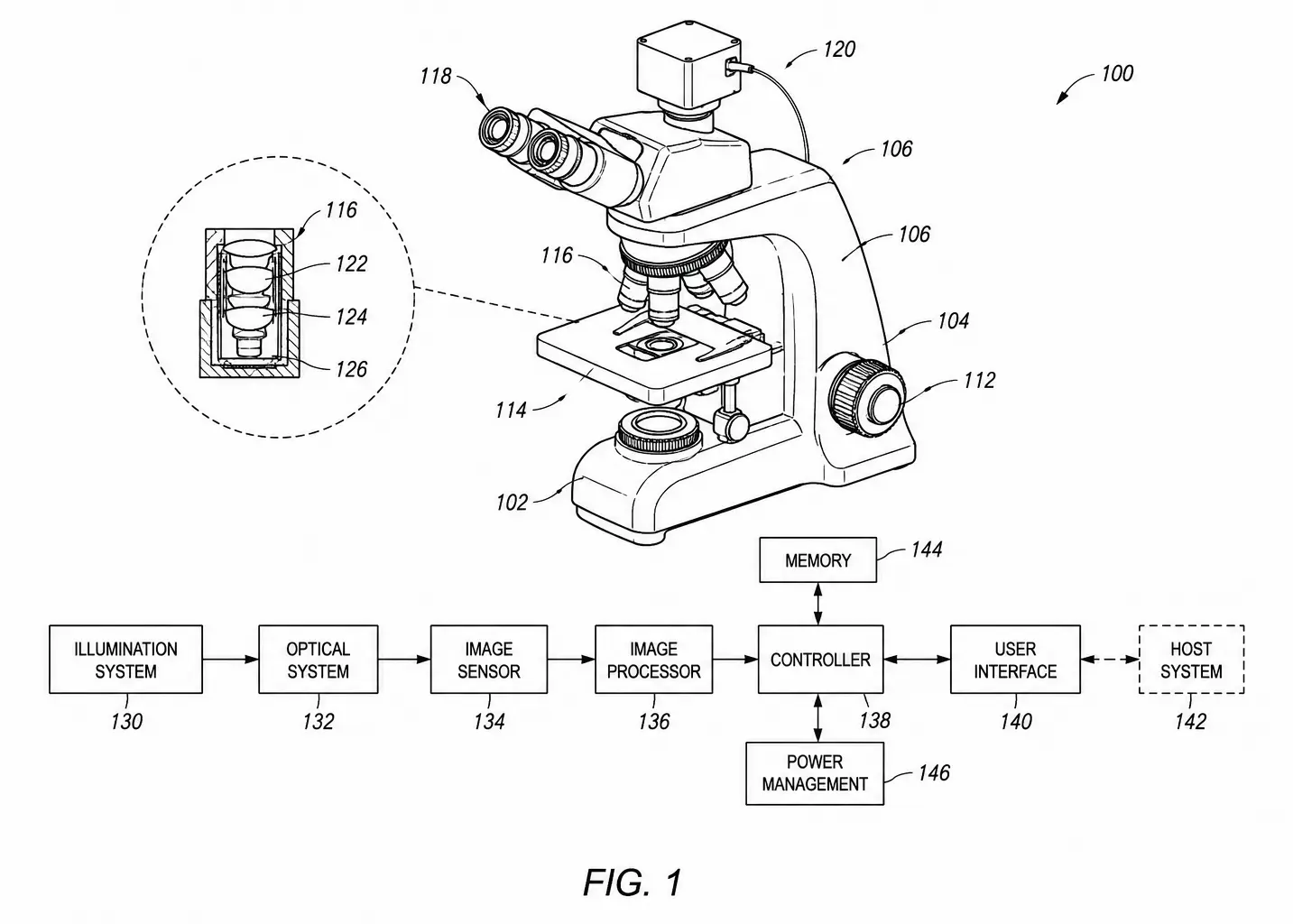
The visual material in between may be a lab sketch, publication figure, microscopy image, photograph, CAD export, slide, screenshot, whiteboard drawing, or highly specialized technical diagram.
Faculty, Researchers & Students
They know what was built, discovered, tested, measured, or proposed—but patent figures are rarely their primary discipline.
Technology Transfer & IP
They coordinate disclosures, inventor communication, patent strategy, outside counsel, deadlines, budgets, and commercialization activity across many technologies.
Patent Counsel & Professional Drafting
They bring legal and specialized drafting expertise, but their work depends on receiving understandable technical source material and timely inventor feedback.
Where Friction Appears
A publication figure contains too much or too little detail.
A photograph or microscopy image needs a clean line representation.
A CAD model communicates the device but not the patent concept clearly.
An inventor describes an alternative embodiment after figures are already underway.
A TTO must explain technical corrections across inventor, counsel, and drafting handoffs.
Universities can help inventors communicate more clearly, give TTO teams more control over routine figure work, and provide outside counsel with better technical source material.
Where Capability Helps
University capability is not about turning researchers into patent illustrators. It is about making technical ideas easier to capture, refine, review, and transfer.
Invention Disclosure
Develop clearer diagrams from sketches, screenshots, photographs, CAD, publication graphics, experimental setups, and other source material.
Inventor Interviews
Use editable diagrams to clarify components, relationships, sequences, alternatives, and embodiments during inventor discussions.
Patent Preparation
Prepare useful working diagrams and figure concepts that help patent professionals understand the invention more quickly.
Inventor Review
Make it easier for researchers to identify technical errors and demonstrate changes without relying entirely on written revision instructions.
Education & Reuse
Retain editable resources, templates, and practical skills that can support future disclosures, new researchers, clinics, courses, and innovation programs.
Build enough capability to improve invention communication, handle appropriate work directly, and use professional patent drawing assistance when it is the better resource.
The IP DaVinci Patent Figure System™
IP DaVinci brings Training, the Patent Figure Toolkit™, and Support together so university participants can develop and apply patent-figure capability at the level their role requires.
Training
Learn through the Learning Portal and Live Training across Patent Figure Standards, Visio Skills for Patent Figures, Patent Figure Creation Methods, and Other Patent Figure Methods.
Patent Figure Toolkit™
Use templates, stencils, and productivity resources designed for practical patent-figure work in Microsoft Visio.
Support
Use Live Clinics, One-on-One Support, and IP DaVinci Studio when additional guidance or professional patent drawing assistance is useful.
Microsoft Visio is the primary working environment in which participants apply the System to appropriate editable patent-figure work.
What the University Can Receive
Self-paced Training for continuing capability development.
Instructor-led learning around defined patent-figure topics and methods.
Templates, stencils, and productivity resources for recurring work.
Additional guidance when users need help applying the capability.
Professional patent drawing assistance when it is the better resource.
Across the University
A university patent ecosystem may involve a central TTO, faculty, research staff, graduate students, legal operations, entrepreneurship programs, engineering schools, and outside counsel. They do not all need the same training.
Technology Transfer & IP Staff
Faculty & Research Inventors
Students & Research Staff
TTO & Innovation Leadership
Patent Counsel Collaboration
The goal is not to replace patent counsel. It is to improve the technical and visual information that reaches counsel and make inventor feedback easier to communicate.
Typical Handoff
Capability-Enabled Handoff
Keep the Capability
Universities may work with different outside counsel, professional drawing resources, inventors, departments, and research teams over time. The university does not have to give up its own visual working capability when those participants change.
Working Knowledge
Editable working figures can preserve visual decisions, relationships, and technical understanding developed during the patent process.
Reusable Resources
Training, Toolkit resources, and established working methods can support future disclosures rather than disappearing with one matter or provider.
Institutional Continuity
Outside counsel can change without requiring the university to give up its own visual working capability.
Beyond Individual Patent Matters
Universities have a unique opportunity: the same practical capability that supports current inventions can also prepare researchers and students to communicate future inventions more effectively.
Researcher Development
Help faculty, postdocs, researchers, and graduate students understand how technical source material can be adapted for patent work.
Engineering & Design Programs
Introduce students to editable technical diagrams and patent-figure workflows as part of innovation, design, capstone, or entrepreneurship activity.
Clinics & Entrepreneurship
Give participants working methods for communicating systems, processes, devices, and alternatives as ideas move toward commercialization.
New Inventor Onboarding
Give first-time university inventors a practical introduction to what patent figures do and how they can contribute useful source material.
Implementation
A university does not need institution-wide adoption to test the model. Begin where invention volume, figure complexity, researcher engagement, or recurring revision work makes the opportunity visible.
Assess
Review how researchers, TTO staff, counsel, and drafting resources currently exchange visual information.
Select
Select one TTO team, research center, engineering group, inventor cohort, or recurring workflow.
Launch
Provide role-appropriate access to Training, Patent Figure Toolkit™ resources, and Support.
Apply
Develop capability around actual disclosures and figure tasks rather than abstract software exercises.
Expand
Extend useful practices to additional inventors, departments, research programs, or TTO workflows.
Good Pilot Boundaries
Institutional Value
The value is not limited to the cost of an individual drawing. Universities can improve inventor support, strengthen handoffs, preserve reusable resources, and build practical IP knowledge across research communities.
Inventor Support
Give inventors a clearer way to explain and review the visual parts of their inventions.
TTO Efficiency
Help technology-transfer teams coordinate figure information with greater clarity and control.
Reusable Knowledge
Templates, methods, and working assets can support future disclosures rather than disappearing with one external transaction.
Researcher Education
Researchers and students learn practical visual communication methods they can carry into future research, startups, and industry.
Ways to Start
Begin with a TTO workflow discussion, a focused pilot, a department or researcher program, or broader university capability.
Explore
Review how invention visuals currently move among researchers, technology transfer, counsel, and drafting resources.
Pilot
Test the System with a TTO team, research group, department, or inventor cohort using real figure workflows.
Implement
Provide structured access to Training, Patent Figure Toolkit™ resources, and Support across selected university communities.
Build practical patent-figure capability where research knowledge originates, while using patent counsel and professional patent drawing assistance where their expertise is the better resource.