Drawing Sheet Standards
Before considering line styles, figure layout, or reference numerals, it is essential to understand the standards governing the drawing sheets themselves. Every utility patent drawing—regardless of technology, complexity, or format—must comply with strict USPTO and PCT rules regarding margins, sheet numbering, sheet size, orientation, and ordering.
This chapter outlines those foundational requirements and provides clear examples to ensure full compliance.
1. Sheet Size Requirements
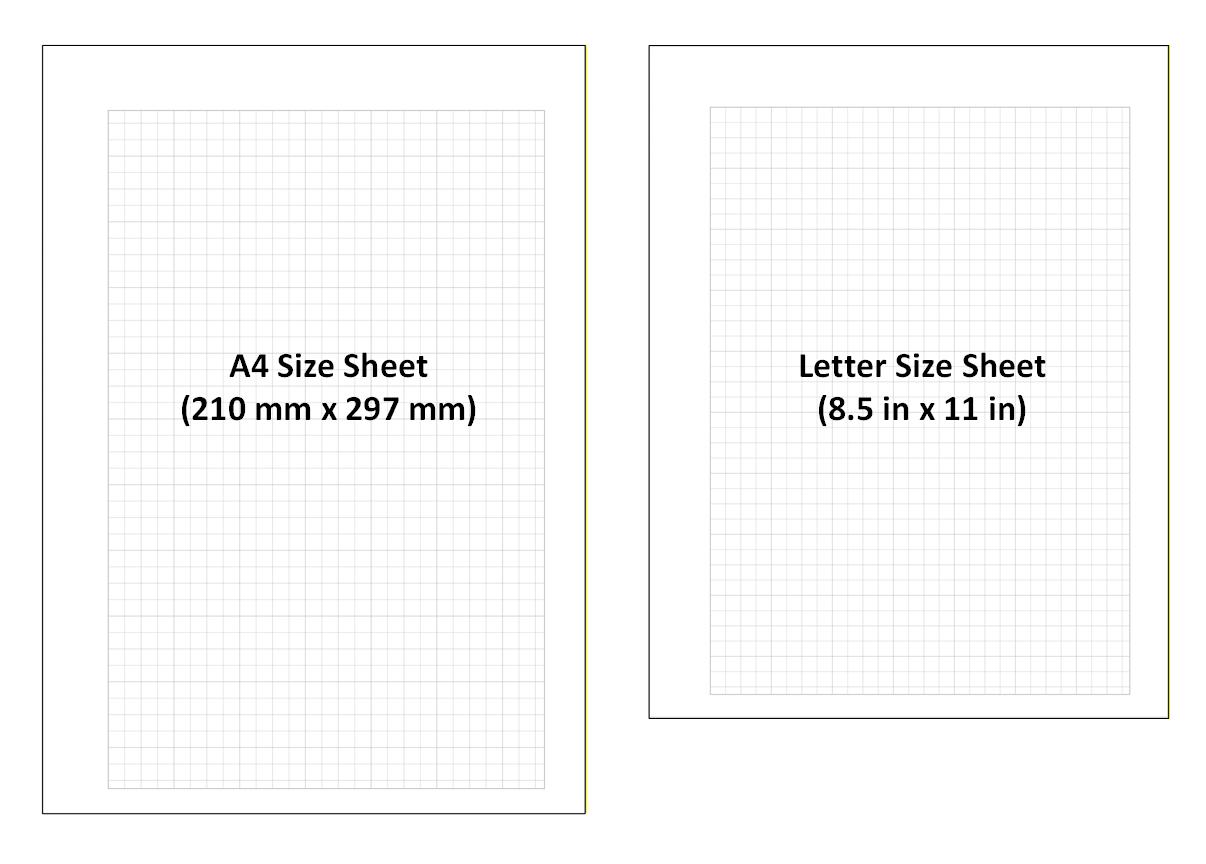
Figure 5.1 — All drawing sheets in a single application must be the same size: either U.S. Letter or A4.
All sheets in the drawing set must share the same page size:
Allowed sizes:
- U.S. Letter — 8.5 in × 11 in
- A4 — 21 cm × 29.7 cm
The application cannot mix sizes.
This rule applies even if different contributors prepared different figures.
2. Required Drawing Sheet Margins
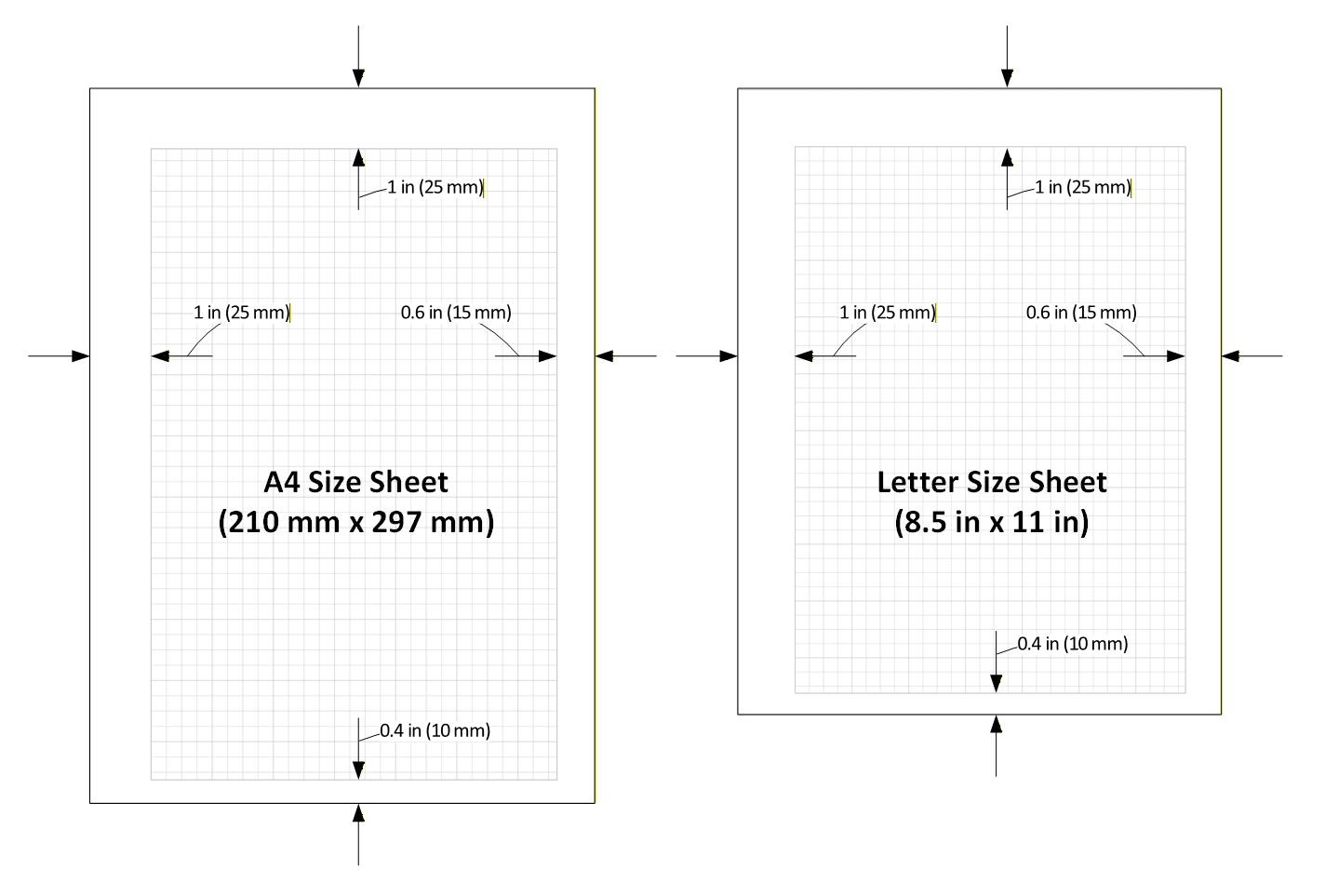
Figure 5.2 — Minimum portrait margins: top 1 in, left 1 in, bottom 0.4 in, right 0.6 in. The frame shown is only an illustration; margins must NOT be drawn.
Each drawing sheet must include imaginary margins. These margins:
- must be free of all marks, text, and drawing content
- must not be shown or outlined
- apply to every sheet in the application
- must also contain the sheet number inside the margin area (at the top)
Portrait Orientation (standard)
| Margin | Minimum |
|---|---|
| Top | 1 in (25 mm) |
| Left | 1 in (25 mm) |
| Bottom | 0.4 in (10 mm) |
| Right | 0.6 in (15 mm) |
All figures, numerals, and text must fall inside this usable area.
3. Margins for Landscape-Oriented Sheets
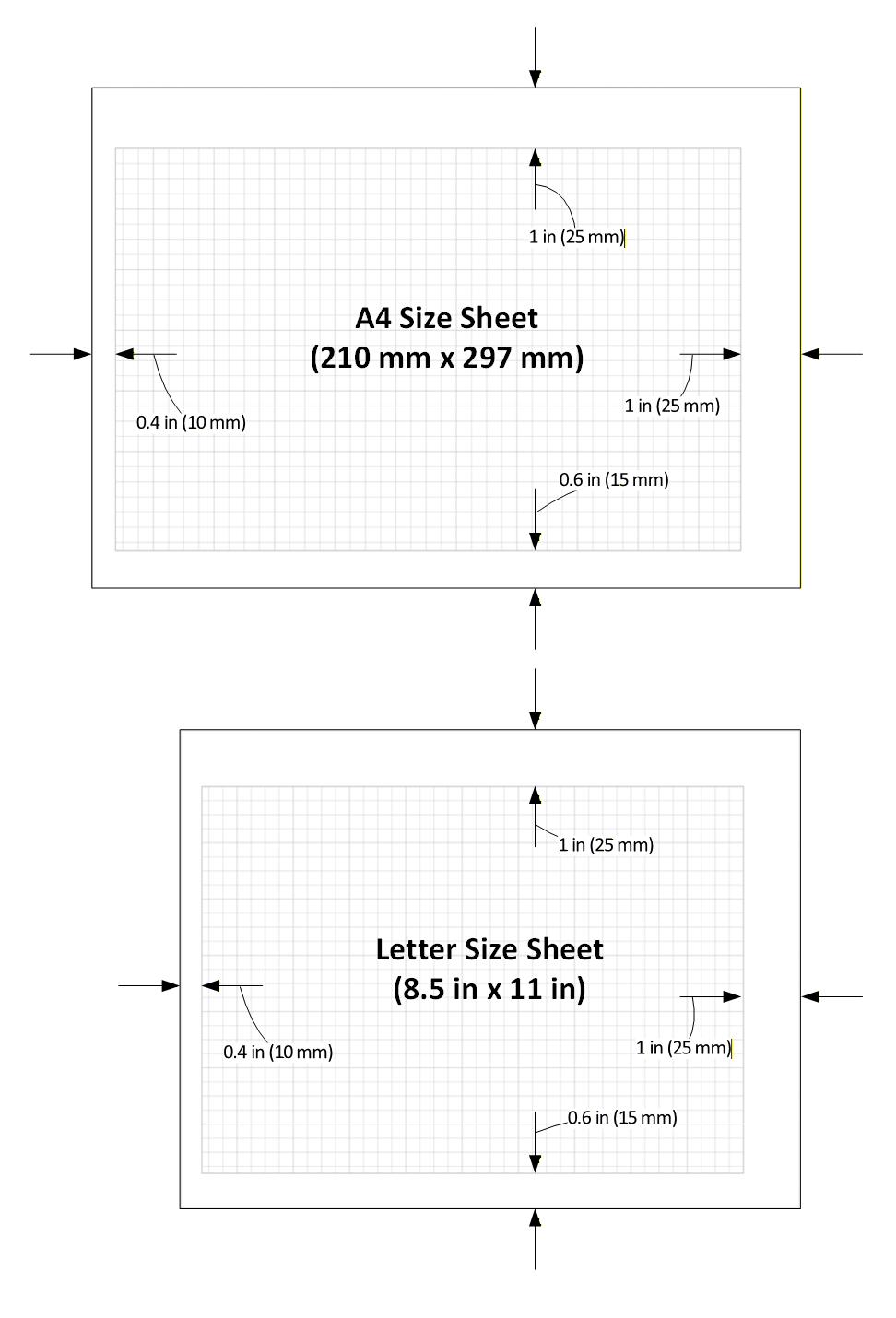
Figure 5.3 — Landscape pages use “portrait” margins. Rotate the margin system, not the layout.
A critical rule:
Landscape pages keep portrait margins.
This means the margins rotate with the page as if it were still portrait.
Landscape Orientation (viewed normally)
| Margin | Minimum |
|---|---|
| Top | 1 in (25 mm) |
| Left | 0.4 in (10 mm) |
| Bottom | 0.6 in (15 mm) |
| Right | 1 in (25 mm) |
This rule often surprises beginners, but it is strictly enforced by the USPTO.
4. Sheet Numbering Requirements
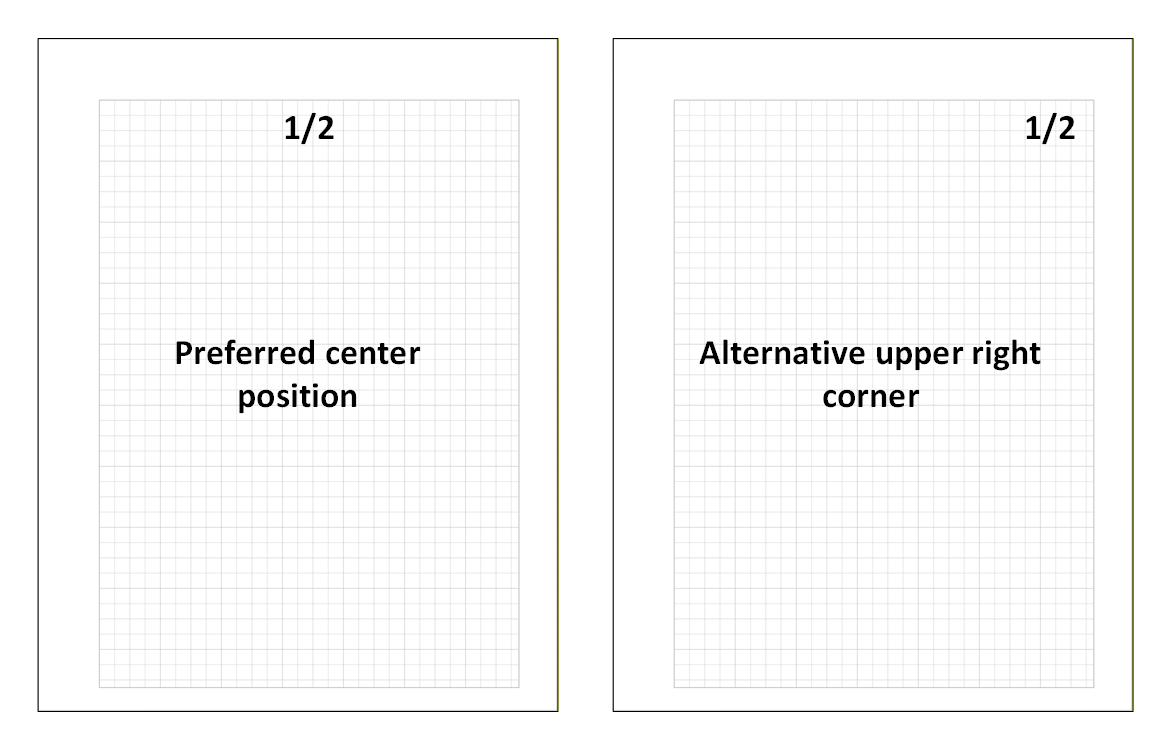
Figure 5.4 — Left: Preferred sheet numbering located at the top-center beneath the top margin. Right: Alternative numbering shown in the upper-right corner when the figure extends too near the top-center region.
All drawing sheets must be numbered using:
sheet number / total sheets
Examples:
- 1/4
- 2/4
- 3/4
- 4/4
Rules:
- Sheet numbers go in the top center of the page, just below the imaginary top margin.
- If a figure occupies the top center area, the sheet number may be placed in the upper right corner of the usable area.
- Sheet numbering must be consistent across portrait and landscape sheets.
5. Sheet Numbering on Landscape Pages
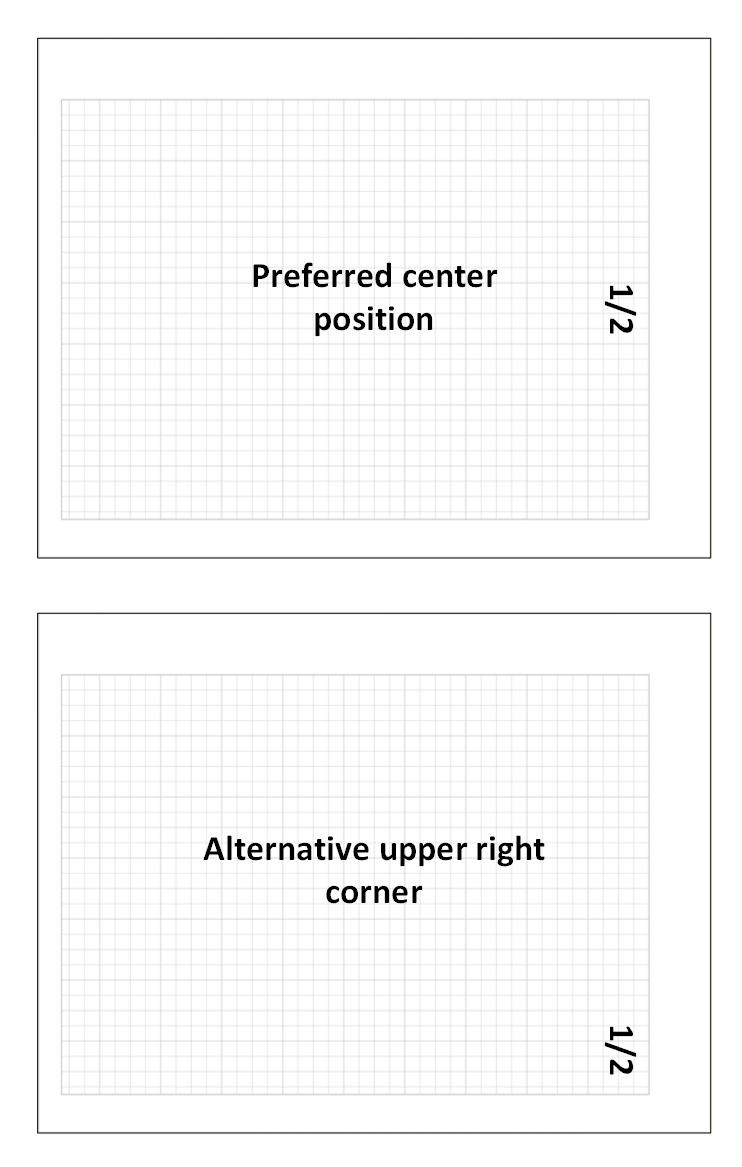
Figure 5.5 — When using landscape orientation, sheet numbers appear on the right side, rotated to read as portrait.
When a sheet is landscape:
- The sheet number must appear on the right edge,
- Oriented as if the sheet were portrait
- All other text (figure labels, reference numerals) may follow landscape orientation.
This is one of the most commonly misunderstood USPTO rules.
6. Sheet Ordering Requirements
While figures may appear on any sheet, the sheets themselves must be ordered correctly.
Rules:
- Sheet 1 must appear before sheets 2, 3, 4, etc.
- You cannot place Figure 4 on a sheet earlier than Figure 2 unless figure numbering is clearly independent and logically separated.
- Examiners expect figures to be grouped logically, usually in ascending figure order.
7. Mixed Orientation (Portrait + Landscape)
You may mix portrait and landscape pages as needed (e.g., wide flowcharts, system diagrams).
However:
- Margins follow portrait rules
- Sheet numbering orientation follows portrait
- All content inside the margins can rotate freely
This ensures consistency when pages are scanned or printed.
Summary
Drawing sheets must follow strict standards before any figure content is even considered. Key rules include:
- Maintain required margins
- Do not draw the margin frame
- Correctly number sheets (sheet#/total)
- Place sheet numbers according to orientation rules
- Keep all sheets the same physical size
- Maintain correct page order
- Apply portrait-based margins even on landscape sheets
Following these rules ensures that your drawings are accepted without objections and remain readable in the USPTO’s archival systems.